Hydration for better training performance
Learn how much to drink, when electrolytes help, and how to spot the early signs that dehydration is affecting your session.
- Author
- Dr Maya Shah
- Published
- Reading time
- 1 min read
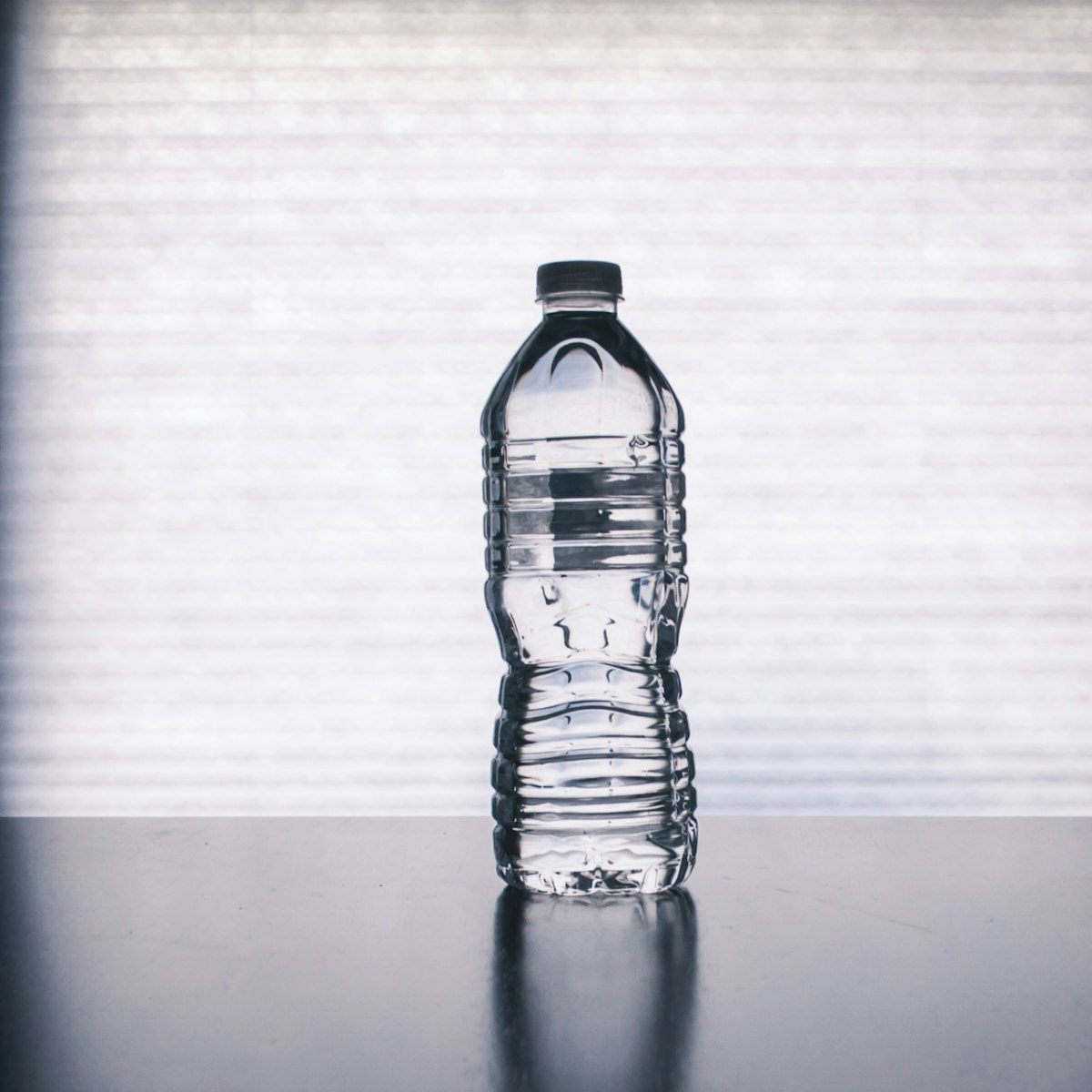
Even modest dehydration can make a familiar workout feel harder. A useful hydration strategy begins before the session and responds to your environment, sweat rate, and training duration.
Start the session already hydrated
Use urine colour and normal thirst as simple daily signals. Pale straw-coloured urine generally suggests adequate hydration, while consistently dark urine can indicate that you need more fluid.
Drink regularly across the day instead of consuming a large amount immediately before training. During most sessions under an hour, water and normal meals are enough.
Know when electrolytes are useful
Long sessions, hot environments, and heavy sweating increase sodium losses. In those situations, an electrolyte drink can improve fluid retention and replace what is lost.
Weighing yourself before and after a representative session can estimate sweat loss. Replace fluid gradually afterward and include sodium with your next meal.
Put it into practice
- Carry a bottle and make drinking convenient.
- Add electrolytes for long, hot, or very sweaty sessions.
- Rehydrate gradually rather than all at once.
Start with one change, track how it feels for two weeks, and adjust from evidence rather than perfection. Sustainable progress is built through repeatable choices.